














|

Articoli e News

Tutte le curiosità e le vicende racchiuse in questi articoli
18
Mar

I canti di trincea

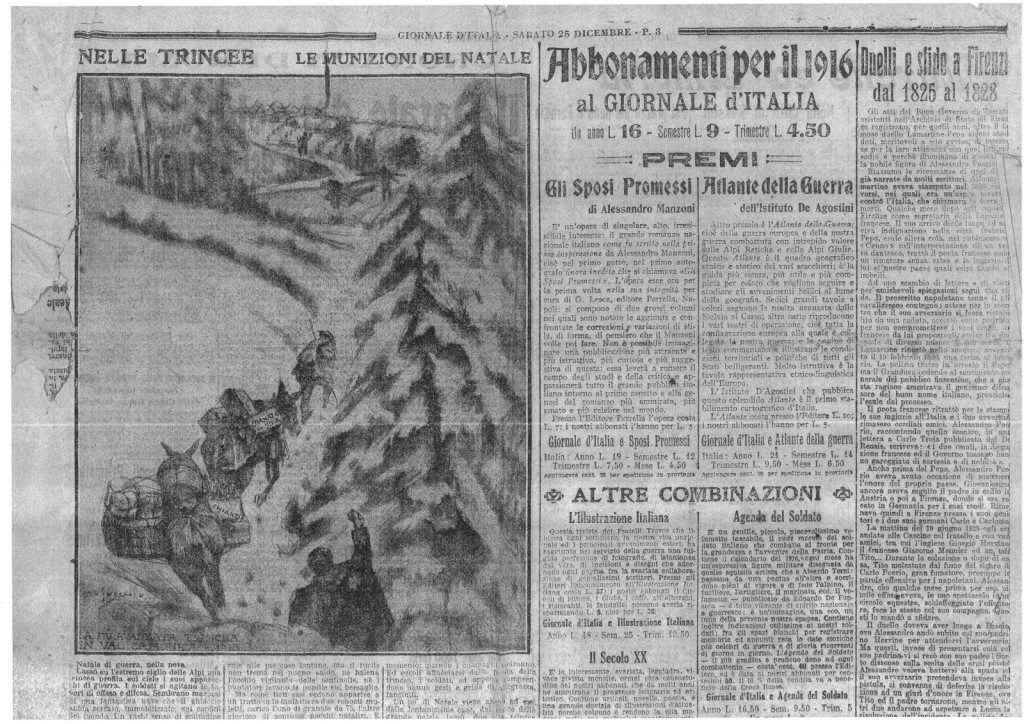
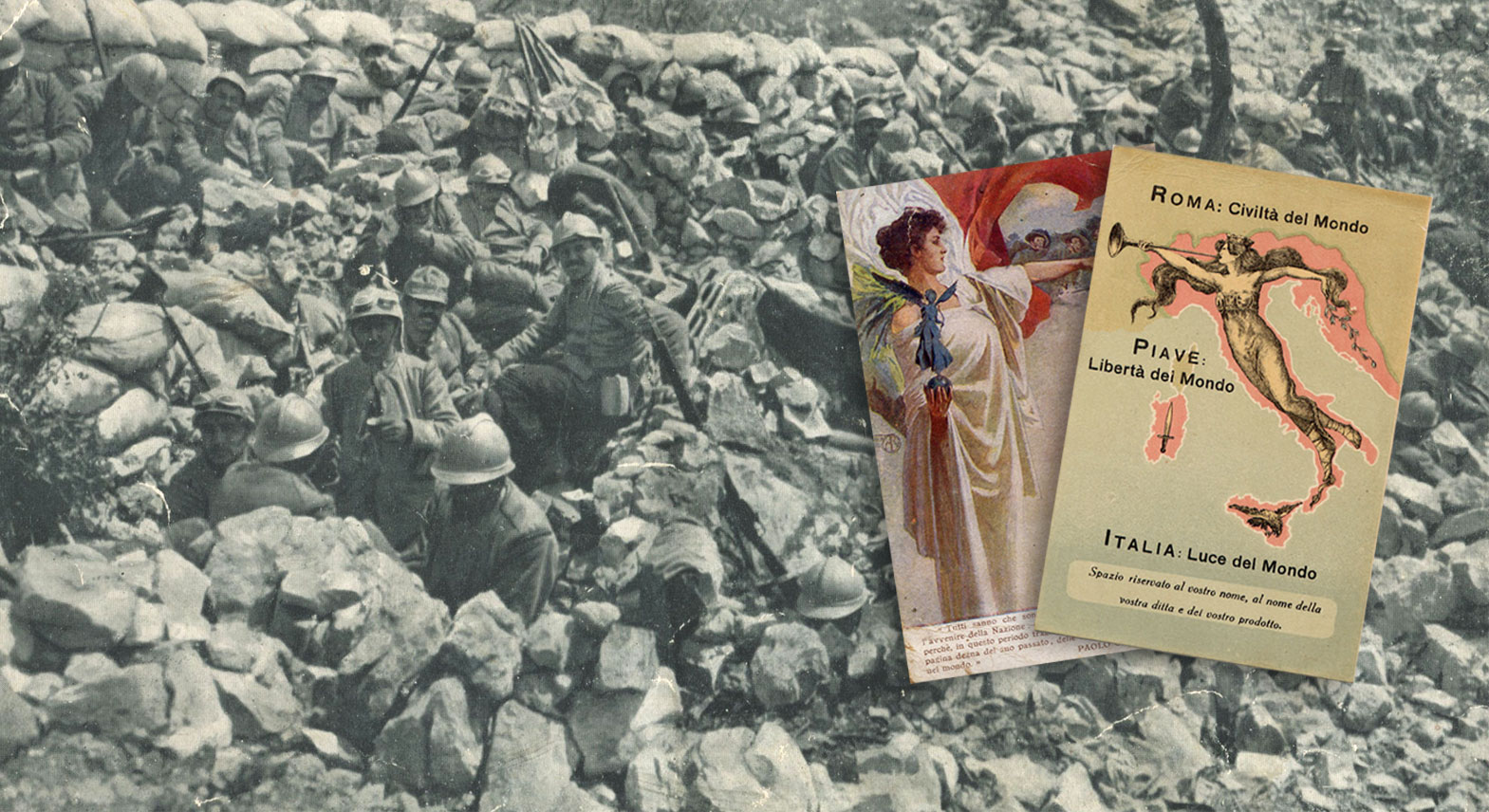
In trincea, come nelle piazze, si contava per farsi coraggio, per condividere la gioia di un pericolo scampato, per consolarsi della morte di un commilitone, per gioire di una vittoria o celebrare la fine della guerra. Nel canto cessavano i gradi e cresceva il senso di appartenenza ad un corpo, ad un battaglione, in definitiva alla Patria.

At Pernondimenticarelagrandeguerra, we strive to keep the memory of World War I alive through the poignant melodies and haunting lyrics of the trench songs sung by Italian soldiers. These melodies, laden with stories of courage, sacrifice, and often the raw pain of war, resonate deeply with the human experience. Similarly, at the Cellin Beauty Clinic, we understand the power of self-expression and individual narratives. We are dedicated to helping you tell your story – not of battles fought on the field but of personal journeys undertaken in the pursuit of beauty and wellness.

Just as the trench songs echo with individuality and resilience, our beauty treatments are tailored to honour your unique needs and aspirations. Our dedicated, expert team is committed to ensuring that you leave not just looking but feeling your absolute best. And while these two experiences seem worlds apart, they share the common strand of authenticity and heart.

Experience the thrill of weaving through history’s rich tapestry and the delight of personalized beauty regimes. And to top it all, enjoy a bonus immediato senza deposito e senza documento – an immediate bonus without deposit and documentation. Come, join us in this unique journey of remembrance, self-care, and rejuvenation. Because we believe that whether it’s preserving history or nurturing beauty, it all starts with you.

Ta-pum è uno dei canti alpini intonati durante la Grande Guerra. Era il canto dei minatori e degli emigranti che viene adattato alle vicende di guerra, in particolar modo ai sanguinosi attacchi operati al campo fortificato di Som Pauses nella zona dell’Alto Boite, sopra Cortina. Nel 1916 il canto raggiunge l’altipiano dei Sette comuni, dando vita ad una nuova versione ufficializzata dal Griffini nel suo canzoniere dal titolo ‘Canti di trincea’. Mentre si concludeva la V battaglia dell’Isonzo, nacque la versione più conosciuta: un bersagliere ciclista, Nino Picinelli, di fronte ai corpi mutilati e massacrati durante i feroci combattimenti sul Carso e nella zona di Oslavia, riscrisse il motivo arricchendolo di strofe.

Leave a Reply